
How Covering the Ground Helps Preserve Water for Trees
Trees are essential to our environment, providing shade, oxygen, and habitats. However, they require a lot of water to thrive, especially during dry seasons. One effective way to help trees maintain adequate moisture is by covering the ground around them. This practice can significantly conserve soil moisture, benefiting both the trees and the broader ecosystem. Understanding how this method works can empower you to care better for your trees and ensure their long-term health.
The Importance of Soil Moisture for Tree Health
Maintaining proper soil moisture levels is crucial for tree health. Trees rely on water from the soil to transport nutrients through their roots to every part of the plant. Without enough moisture, trees become stressed, which can lead to weakened growth and increased susceptibility to diseases and pests. By preserving soil moisture, we help trees remain healthy and strong throughout the year.
How Covering the Ground Can Help
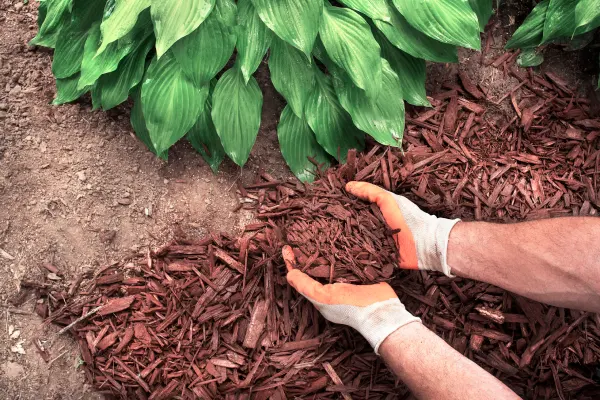
Covering the ground with organic material like wood chips or straw forms a protective barrier over the soil. This process, known as mulching, helps keep the soil cool and moist by reducing evaporation. Moreover, it limits weed growth that would otherwise compete with trees for water. Additionally, as the mulch breaks down, it adds nutrients back into the soil, further aiding tree growth.
Types of Materials You Can Use
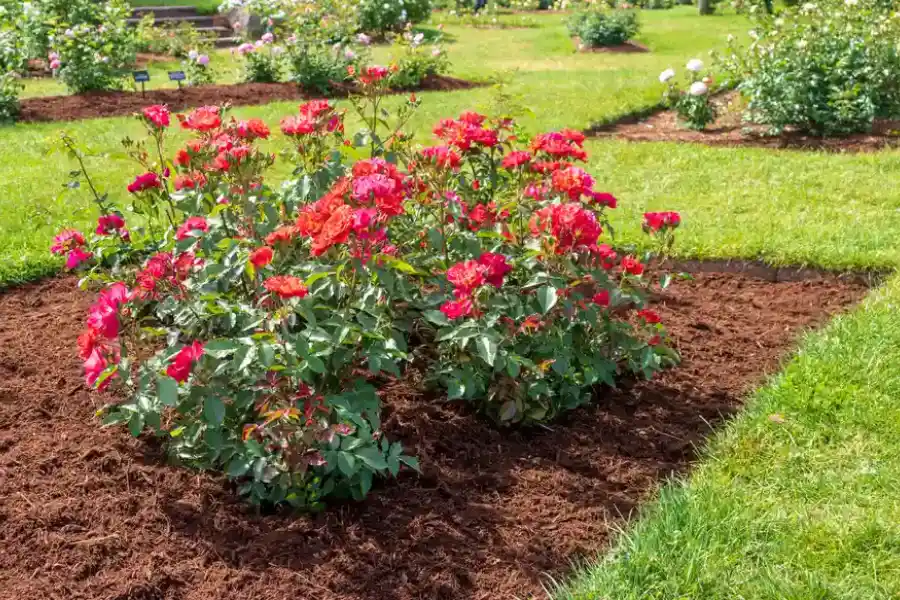
The materials used for ground covering vary widely. Some popular options include organic materials such as bark chips, shredded leaves, and grass clippings. Inorganic choices like stones or rubber mats are also available but don’t decompose and enrich the soil like organic ones do. Your choice will depend on availability, aesthetic preference, and specific tree needs.
Steps to Apply Protective Ground Cover
Applying a ground cover is straightforward if done with careful planning:
- Clear away any existing weeds or debris from the base of the tree.
- Spread your chosen material evenly around the base, ensuring it doesn’t touch the trunk directly.
- Aim for a layer between two to four inches thick.
- Replenish the material annually as it decomposes.
Benefits Beyond Moisture Conservation
While maintaining soil moisture is a primary benefit of covering the ground, there are additional advantages worth noting. These include improved soil fertility as organic materials break down, enhanced root aeration due to reduced compaction under the material, and better temperature regulation which protects roots from extreme heat or cold.
Common Mistakes to Avoid
Avoid common pitfalls when using ground covers by steering clear of these mistakes:
- Piling the material too high against the tree trunk, which can cause rot.
- Using an inappropriate thickness that either suffocates roots or fails to suppress weeds.
- Choosing materials that aren’t suitable for your climate or tree species.
Final Thoughts on Enhancing Tree Care
By understanding how covering the ground can conserve soil moisture and support tree health, you take an important step toward effective tree care. Implementing these techniques ensures your trees thrive and continue to enrich your surroundings. Located in Shelbyville, KY, we offer expert guidance tailored to your tree care needs. Contact Diego's Landscaping & Tree Removal LLC at (502) 321-5709 for personalized assistance from our dedicated team.