
The Role of Ground Cover and Protection for Trees
When it comes to maintaining a healthy garden or landscape, understanding the role of ground cover is essential. One key practice that stands out is using various types of ground covering to protect soil and tree roots from environmental stressors. This involves creating barriers against erosion while ensuring that tree roots remain safe and healthy. Each layer added offers unique benefits, helping trees thrive in their natural setting.

Understanding the Basics of Ground Covering
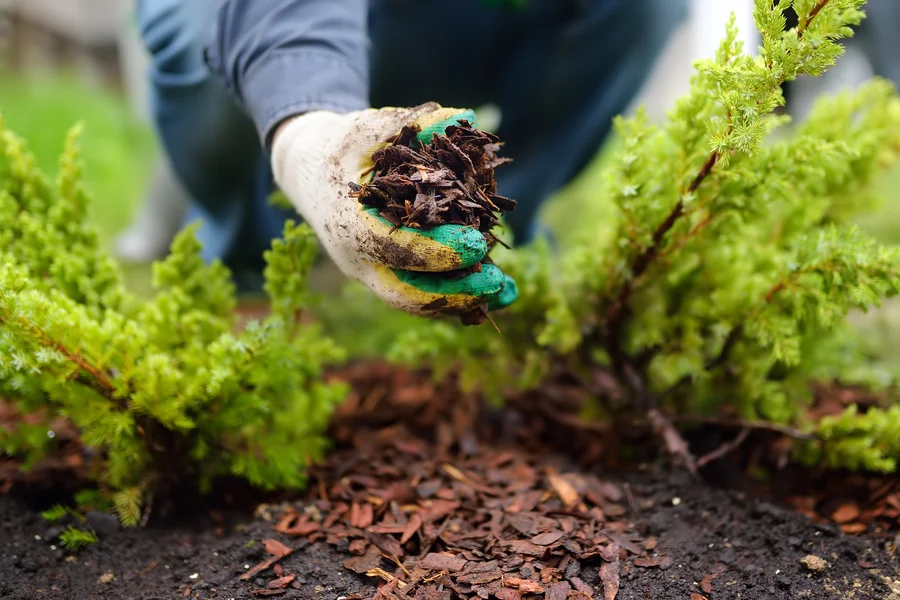
Ground covering involves spreading materials over the surface of the soil. By doing so, it aims to create a protective barrier between the elements and the earth below. Mulching is one such method where organic or inorganic materials are used to blanket the soil. The primary goal here is to mimic the natural processes found in forest floors, where fallen leaves and branches form a natural cover.
Benefits of Organic Material Usage
Using organic material as ground covering provides numerous benefits. First, it helps retain moisture by reducing evaporation rates. Second, it aids in controlling weed growth, saving time on maintenance. Finally, as these materials decompose, they enrich the soil with nutrients. This decomposition process improves soil structure and fertility over time, supporting plant health.
Protective Measures Against Soil Erosion
One significant advantage of covering grounds with mulching is its role in preventing soil erosion. By stabilizing the soil, it reduces water runoff during heavy rains. This stability keeps nutrient-rich topsoil intact, which is crucial for plant growth. By holding the soil together, mulching ensures that valuable nutrients aren’t washed away.
- Reduces water runoff
- Keeps topsoil intact
- Prevents nutrient loss
Safeguarding Tree Roots From External Stressors
Another vital function of ground covering is protecting tree roots from extreme temperatures. During hot summer days, covered soil remains cooler compared to exposed areas. In winter, this method acts like an insulating blanket, safeguarding roots from frost damage. By moderating temperature fluctuations, ground covering prevents stress on trees and promotes stable growth conditions.
Diverse Materials for Effective Coverage
Various materials can be used for effective ground coverage. Wood chips, straw, leaves, and even bark are popular options when considering organic mulch varieties. Each type offers different advantages depending on specific needs and aesthetic preferences. Additionally, choosing appropriate materials can enhance the visual appeal of landscapes while providing practical benefits.
- Wood chips add a rustic look
- Straw is lightweight and easy to spread
- Leaves can be collected freely from your garden
Long-Term Advantages of Consistent Practices
The long-term advantages of consistent use of ground coverings like mulching are evident in healthier plants and reduced maintenance needs. Not only does it conserve water by minimizing evaporation, but it also cuts down on fertilization frequency due to nutrient-rich decomposition. Over time, this leads to more sustainable gardening practices.
Professional Tips for Implementing Ground Covering
For effective results, experts recommend applying a layer two to four inches thick. Thinner layers may not provide adequate protection, while overly thick layers might impede water penetration. It’s also advised to keep mulch a few inches away from tree trunks to prevent rot. Following these best practices ensures optimal outcomes.
Your Partner in Eco-Friendly Landscaping Solutions
If you’re seeking ways to enhance your garden’s health and appearance, consider reaching out to us at Diego's Landscaping & Tree Removal LLC. Our team specializes in eco-friendly landscaping solutions designed to cater to various environments. Located in Shelbyville, KY, we offer comprehensive services tailored to meet your specific needs. Call us today at (502) 321-5709 for expert guidance on achieving a thriving landscape.